
Hello!
Depending on who you ask, Russian disinformation can be the answer to any number of questions – Why did Trump win? Russian influence operations. Why are racists rioting in Belfast? Russian interference. Manfluencers? A tool of Russian hybrid warfare.
While Russian ‘information warfare’ is of course a real strategy and a serious concern – read Binding Hook’s coverage, linked below – I sometimes wonder if we allow it to serve as a catch-all answer for societal ills and inconvenient truths. We don’t have our own problems; it’s just the Russians!
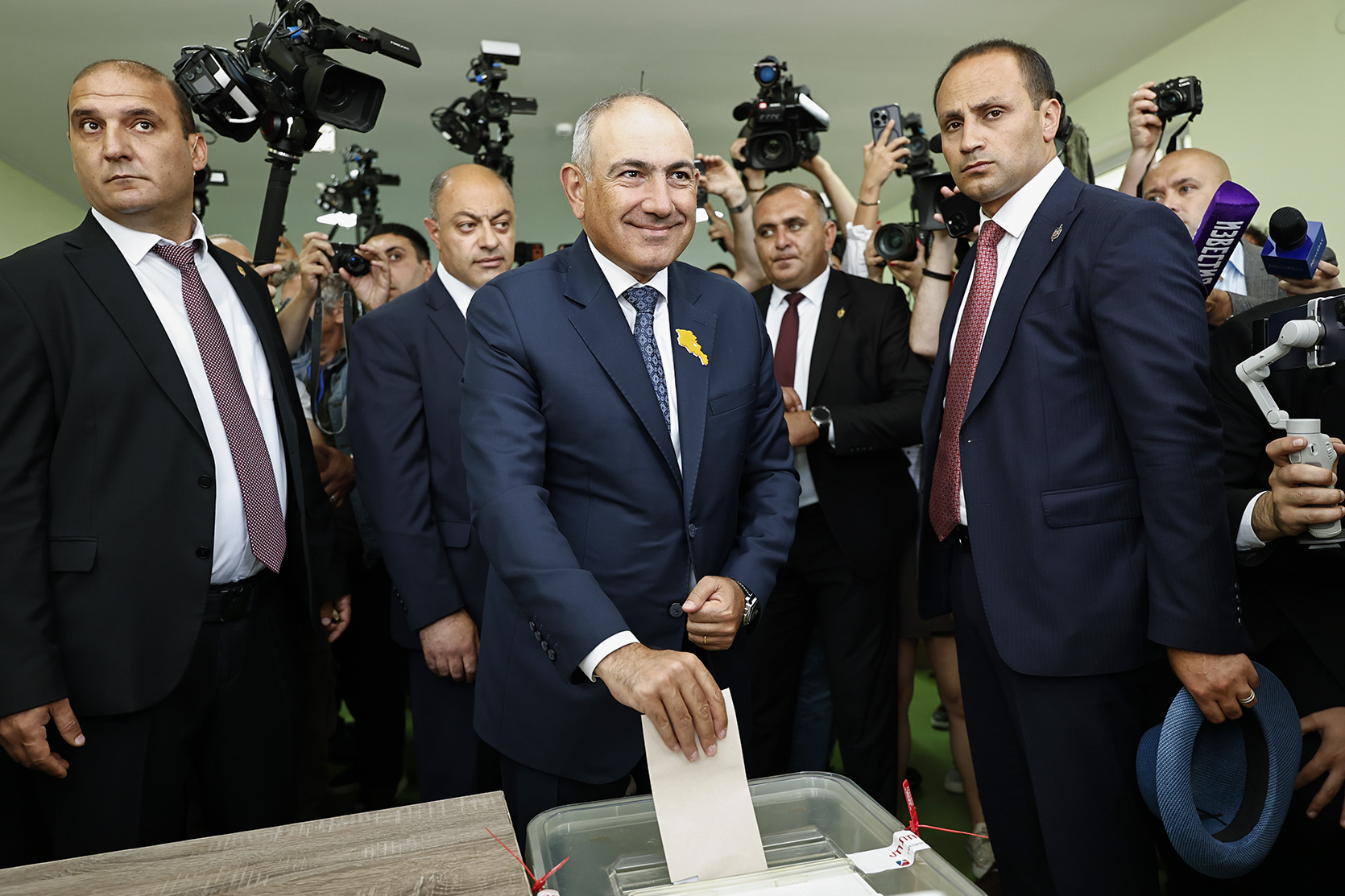
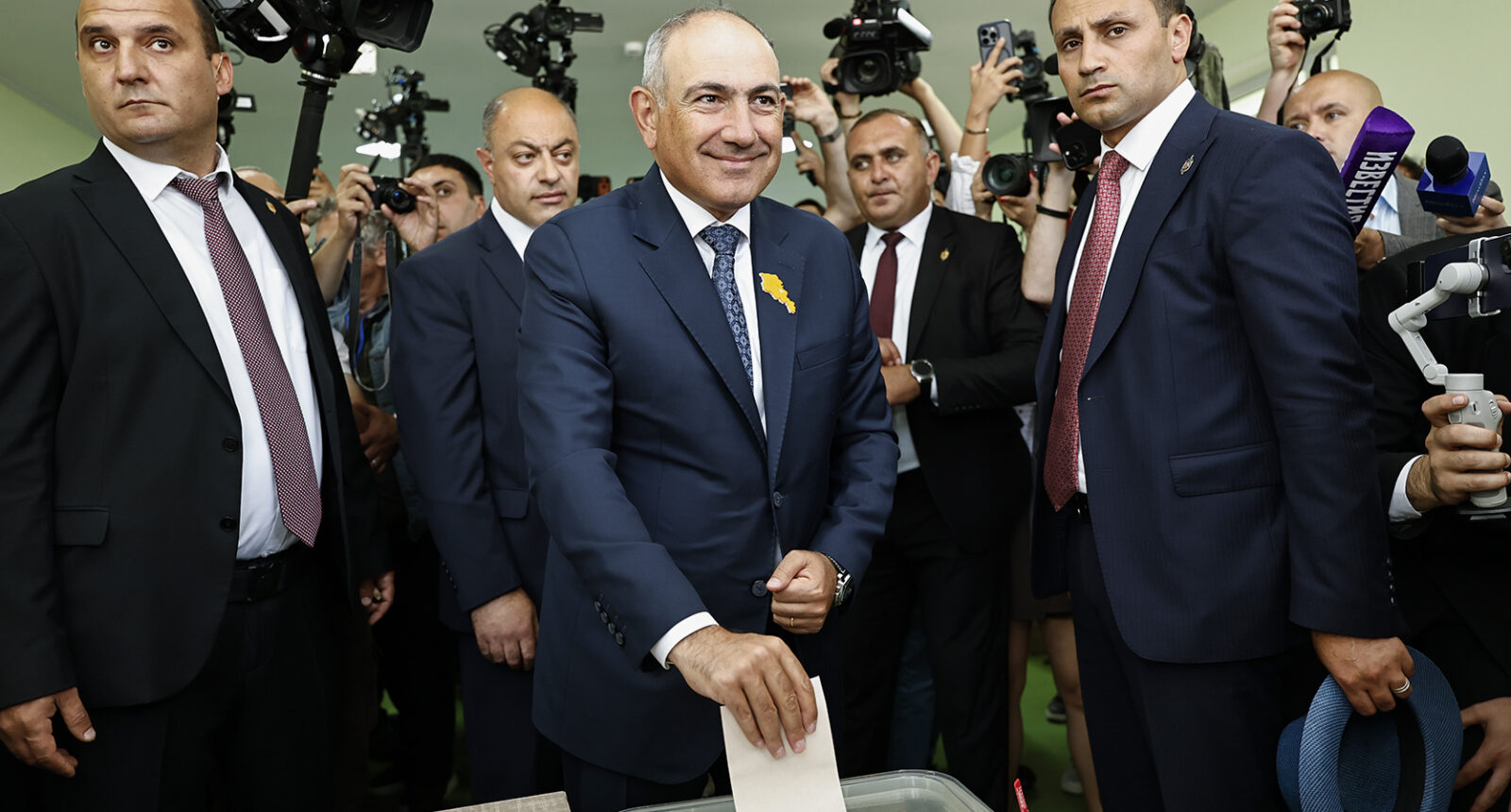
As such, it’s especially interesting to look at the cases where extensive Russian pressure and information operations apparently failed. Armenia’s recent parliamentary elections offer one example: the pro-Western incumbent, Nikol Pashinyan, and his Civil Contract party won re-election with 49.8% of the vote against Samvel Karapetyan’s pro-Russian Strong Armenia alliance’s 23%.
This was despite earnest Russian efforts to sway elections toward a candidate who might steer Armenia back into Moscow’s orbit. These efforts included restrictions on Armenian imports to Russia, warnings about potential ramifications for gas supplies, a recall of the Russian ambassador, and quite a few alleged spies sent to Yerevan. Online narratives suggested that France would help Pashinyan fake the results, and AI videos spread falsehoods about him letting in hundreds of thousands of Azerbaijanis as part of a future peace settlement. A fake LGBT organisation sent emails to local media saying they were planning on holding a series of queer events in the country, with Pashinyan’s support (homophobia is high in Armenia). AI images showed Pashinyan attending a Pride march. Leaked documents show explicit numerical targets: to triple the reach of Russia-aligned content online to three million views per day and to cultivate an additional 25 opposition-aligned commentators – in favour of anyone but Pashinyan. A government spokesperson said they’d seen twice or thrice as many disinformation campaigns as usual in the months before the election.
Check out Jamie Collier’s Binding Hook piece detailing some of the specific mechanisms of cyber threats to European elections, from Russia and elsewhere
Maintaining influence in their backyard, as the Caucasus has so often been described, is presumably a higher priority for Russian intelligence agencies than setting Northern Ireland on fire. Given a population with generally high fluency in Russian and active Russian NGOs and media, Russia’s supposedly fearsome Federal Security Service (FSB) should have no trouble swaying an election in a country of about 3 million people. So how did Pashinyan win?
Fighting fire with fire, it seems. OSCE observers found the elections overall competitive and well run, but there were some issues. Karapetyan has been under house arrest since last June, and potentially hundreds of Strong Armenia supporters were arrested in the run-up to the election. Pashinyan’s team was accused of creating its own AI-supported fake news site targeting the opposition. Plus, Human Rights Watch and local organisations noted instances of misuse of administrative resources, pressure on public-sector employees, campaign finance risks, alleged vote-buying, polarised rhetoric, and weak accountability mechanisms.
Of course, Pashinyan may well have won anyway – the economy is doing well and his efforts toward peace with Azerbaijan have been popular, if also highly controversial. He also might have lost; the 2023 loss of Nagorno-Karabakh especially will haunt the rest of his political career. Disinformation ops run on local fuel – before Belfast came a mainstreaming of anti-immigration sentiment in the UK – so the more extensive existing grievances are, the easier they are to exploit. If someone is popular and making people richer, it’s much harder.
And perhaps it’s simply that after so many years of Russian involvement in Armenian political life, voters are just used to it – the threats, the promises, the lies, the scandals…
Combined with the pro-European wins in Moldova in September 2025 and Hungary in April, both involving very high levels of Russian disinformation and interference, a pattern could be forming. Those countries closest to Russia have felt the impact of betrayal and seen the questionable rewards for loyalty; voters may now be inoculated against these sorts of campaigns.
Now all we have to do is figure out the mechanism behind that inoculation. Have all those resilience-building efforts actually worked? Or is it just a symptom of the times, as the mainstreaming of AI has made it more apparent that anything on the internet could be fake? Is it possible Russian disinformation was never quite all that it was cracked up to be?
Until next month.
Katharine Khamhaengwong
Binding Hook Senior Editor
More Binding Hook on disinformation and info-ops:
- Jelena Vićić and Richard Harknett examine the mechanisms of cyber-enabled information campaigning targeting democracies.
- Monica Kello argues that Europe needs to invest in cognitive defence against Russia.
- Yael Ram looks at how deepfakes have spread from social media to other settings, from phone calls to televisions.
Related Posts

What Europe can learn from China’s technological revolution
25 September 2025